
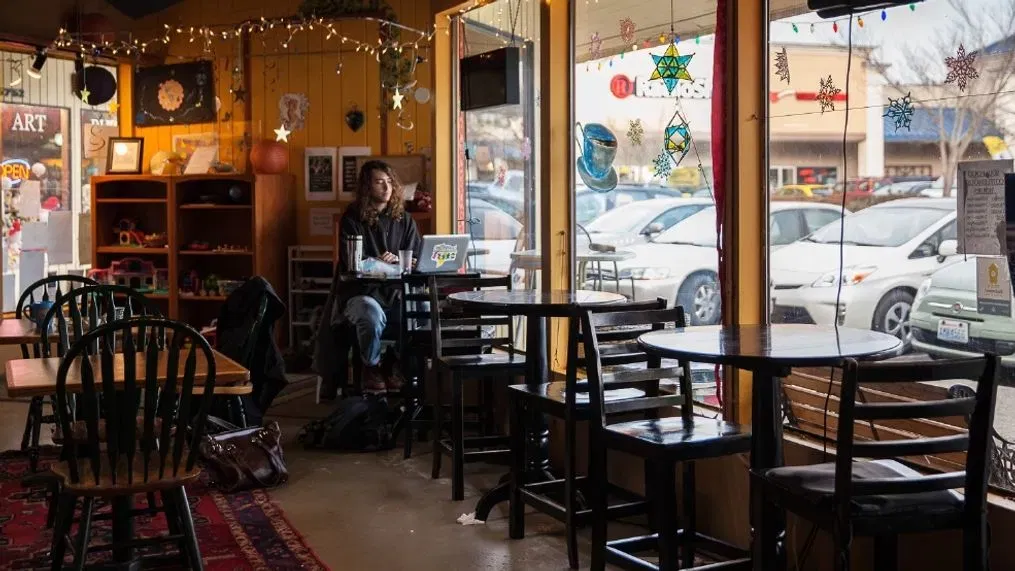
Coffee shops have long been the heartbeat of American social life—think laptop warriors in Seattle, first dates in NYC, or study sessions in Austin. But lately, a quiet revolution is brewing. Americans are trading overpriced lattes for community-run social clubs and quirky “hobby hubs” where real connections happen. Why the switch? It’s about craving authenticity, purpose, and spaces that spark joy beyond caffeine. In this post, we’ll unpack the trends, spotlight real examples, and show why your next hangout might just be a knitting circle or board game den.
The Coffee Shop Fade: What’s Driving the Shift?
Post-pandemic, Americans reevaluated social spaces. A 2025 Pew Research survey found 62% feel isolated despite frequent coffee shop visits. Why? Coffee shops prioritize quick turnover—loud blenders, tiny tables, $7 cups. They’re great for solo work but lousy for deep chats.
Enter community-run social clubs and hobby hubs: member-led spots focused on shared passions. These aren’t sterile chains; they’re grassroots gems run by locals, often nonprofit or co-op style. Memberships cost $20-50/month—cheaper than daily Starbucks runs—and offer unlimited access to activities, events, and people.
Economic factors play in too. With inflation biting, Americans seek value. Hobby hubs provide tools, classes, and community without buying gear. Gen Z and millennials, per a 2026 Nielsen report, prioritize experiences over stuff, fueling a 40% rise in club memberships since 2023.
Community-Run Social Clubs: Building Bonds That Last
Social clubs are popping up nationwide, from urban co-working hybrids to rural meetups. They’re community-run, meaning volunteers and members vote on events—no corporate overlords.
Take The Wing evolution: post-2022 rebrand, local chapters like Chicago’s Hustle Hub host women-led mixers, book clubs, and career panels. Dues cover snacks, Wi-Fi, and guest speakers—far cozier than coffee shop corners.
In the South, Atlanta’s Black Social Club thrives with game nights, soul food potlucks, and cultural talks. “It’s family, not transactions,” says founder Jamal Reed. Membership: $30/month, events weekly.
These clubs combat loneliness epidemics. Harvard’s 2025 study links them to 30% lower depression rates. Americans join for hobbies—chess, crafting, hiking—but stay for friendships.
Hobby Hubs: Where Passions Meet People
“Hobby hubs” are the stars of this trend: dedicated spaces for niche interests, often community-funded via Patreon, grants, or dues. Think makerspaces on steroids.
Nationwide examples:
- Los Angeles’ Craftopia: A hobby hub for knitting, pottery, and candle-making. $25/month gets unlimited classes, supply access, and “stitch ‘n’ bitch” nights. Owner Mia Lopez says attendance tripled post-2024, drawing 200+ members.
- Denver’s Board Game Basement: Underground hobby hub with 5,000+ games. No baristas, just epic Dungeons & Dragons campaigns and tournaments. $15/entry or $40/month unlimited.
- Austin’s Maker Collective: Tech-meets-art space for 3D printing, woodworking, and coding jams. Community-run with skill-sharing workshops—perfect for remote workers seeking collaboration minus coffee shop distractions.
These hubs foster serendipity. Spill paint at Craftopia? Bond with a stranger over mishaps. Far better than awkward coffee shop small talk.

Regional Spotlights: Hobby Hubs Across the US
West Coast: San Francisco’s Nerdist Nook blends comics, trivia, and VR gaming. Eco-friendly, solar-powered, it’s a hit with techies ditching coffee shop nomad life.
Midwest: Minneapolis’ Knit & Sip (non-alcoholic!) hosts yarn bombers and story swaps. Affordable at $20/month, it’s revitalizing neighborhoods.
East Coast: Brooklyn’s Queer Craft Club offers safe spaces for LGBTQ+ creators. Events like drag quilting draw crowds tired of coffee shop gentrification.
South: Nashville’s Pickin’ Porch for bluegrass jams and line dancing. Free for members, it’s pure Southern hospitality.
Texas sizes up with Houston’s Urban Forge, a welding and blacksmithing hobby hub—empowering blue-collar creators.
These spots adapt to local vibes, proving hobby hubs scale everywhere.
Benefits Beyond the Brew: Health, Wealth, and Well-Being
Ditching coffee shops yields big wins:
- Social ROI: Clubs build lasting networks. A 2026 Gallup poll shows members report 45% more friendships.
- Mental health boost: Structured fun reduces screen time. Hobby hubs encourage mindfulness—knitting lowers cortisol, per NIH studies.
- Cost savings: $50/month club vs. $200 coffee habit? Pocket $150.
- Skill-building: Learn guitar, brew kombucha, or code—hobby hubs supply tools.
- Sustainability: Many use recycled materials, aligning with eco-aware Americans.
Parents love them too: kid-friendly hobby hubs like Seattle’s Mini Makers keep families connected.
Challenges and How They’re Solved
Not perfect—hobby hubs face funding woes. Solution? Crowdfunding and corporate sponsors (e.g., Patagonia backs outdoor clubs). Accessibility? Virtual hybrids and sliding-scale fees ensure inclusivity.
Critics say they’re “cliquey.” Founders counter with open houses and diverse programming.
Start Your Own Hobby Hub or Join One Today
Americans, reclaim your social life:
- Search local: Use Meetup.com or Facebook Groups for social clubs.
- Visit hubs: Google “hobby hub near me”—try a drop-in.
- Launch yours: Start small—host a park board game night, grow via Discord.
- Budget tip: Apps like ClubPass aggregate memberships.
The movement’s just heating up. By 2027, experts predict 10,000+ hobby hubs nationwide.
Final Perk: Real Talk from Members
“I’ve swapped Starbucks for Craftopia—met my best friend there,” shares LA’s Sarah T. “Hobby hubs saved my sanity,” adds Denver dad Mike R.
Why wait? Ditch the coffee shop grind for community that fuels your soul.



Leave a Reply