
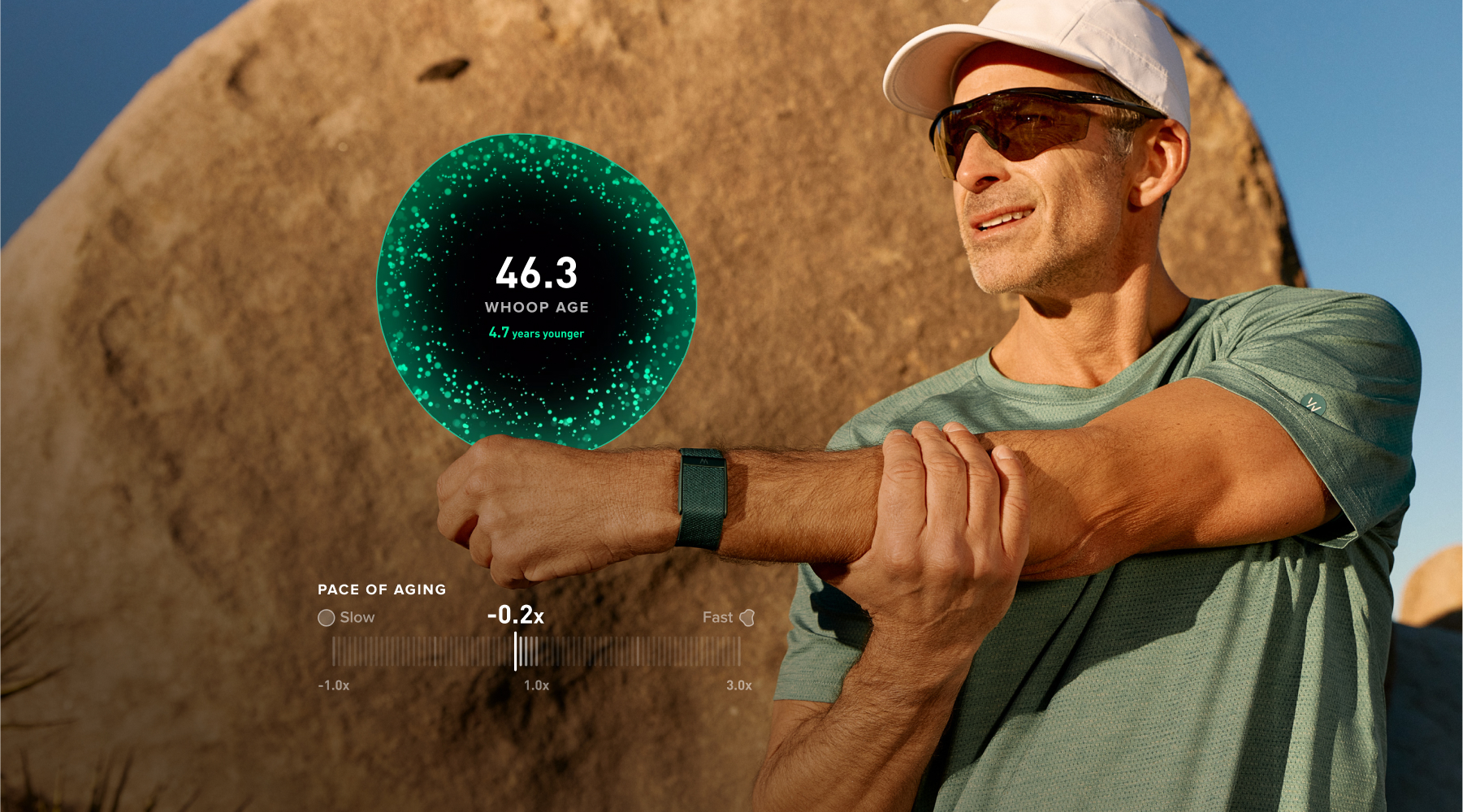
In recent years, the fitness world has been dominated by the pursuit of the six-pack abs and sculpted physiques. While these goals are visually appealing and often celebrated, a new paradigm is emerging in 2026—one that shifts the focus from mere aesthetics to longevity and quality of life. This new goal is known as “healthspan,” the period of life spent in good health, free from chronic diseases and debilitating conditions. Forget the six-pack; healthspan is the new fitness goal that changes everything about how we approach wellness.
What is Healthspan?
Healthspan refers to the length of time a person lives in optimal health, not just the total number of years lived. It emphasizes maintaining physical, mental, and emotional well-being throughout life, rather than simply extending lifespan. The goal is to maximize the years spent feeling vibrant, active, and independent.
Why Healthspan Matters More Than Ever
With advances in medicine and technology, people are living longer than ever before. However, longer life does not always mean better life. Many individuals spend their later years battling chronic illnesses such as diabetes, heart disease, arthritis, and cognitive decline. These conditions can severely impact quality of life and independence.
Focusing on healthspan means prioritizing prevention and proactive health management. It encourages habits and lifestyle choices that reduce the risk of chronic diseases and promote resilience against age-related decline.
The Shift from Appearance to Functionality
Traditional fitness goals often center around appearance—toned muscles, low body fat, and visible abs. While these can be indicators of health, they do not guarantee it. Healthspan shifts the focus to functionality: strength, mobility, endurance, and mental clarity.
This means valuing exercises and routines that improve balance, flexibility, cardiovascular health, and cognitive function. It’s about being able to perform daily activities with ease and maintaining independence well into old age.
Key Components of Healthspan-Focused Fitness
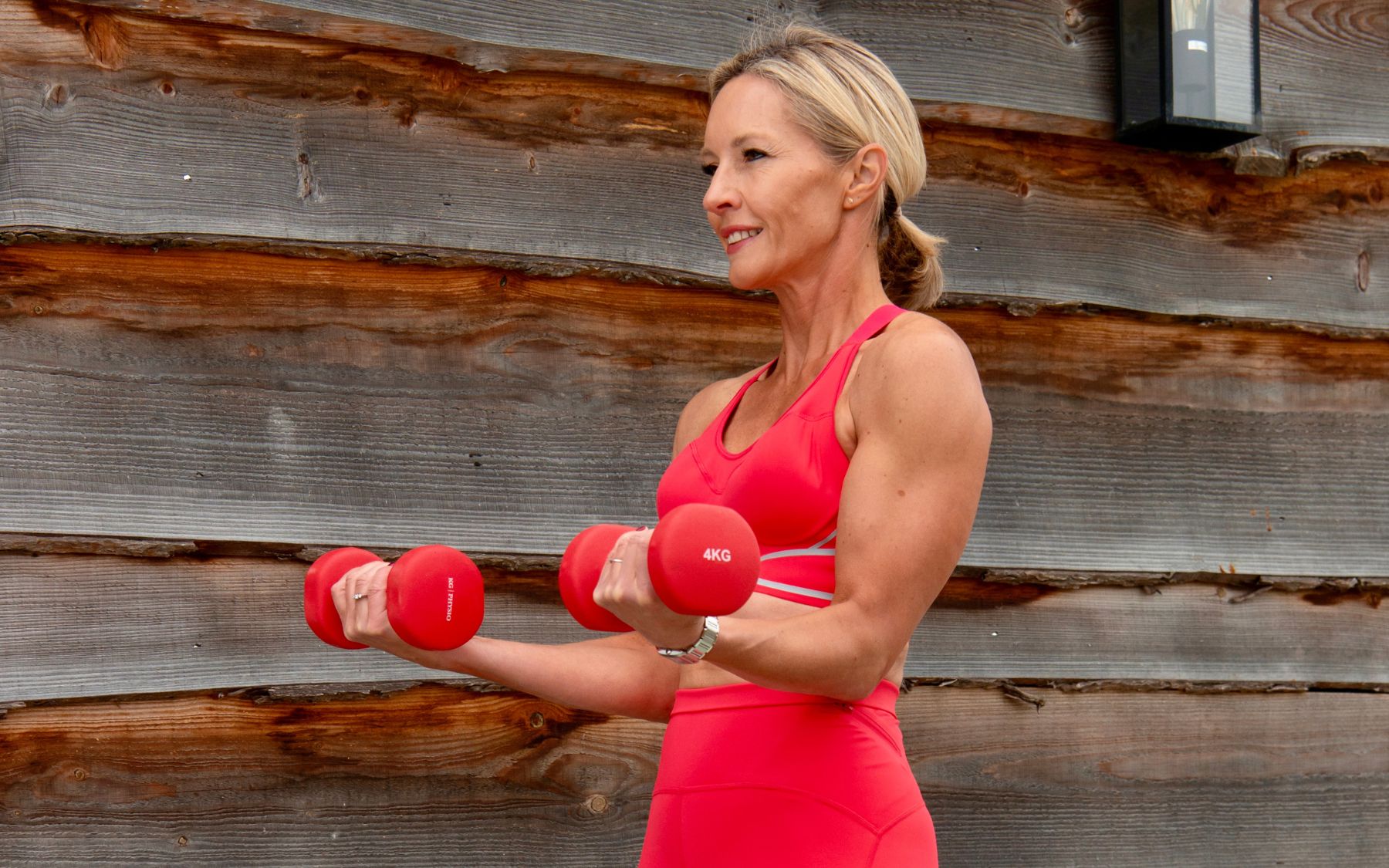
- Strength Training: Maintaining muscle mass is crucial as we age. Muscle loss, known as sarcopenia, can lead to frailty and increased risk of falls. Strength training helps preserve muscle, bone density, and metabolic health.
- Cardiovascular Exercise: Heart health is central to longevity. Activities like walking, cycling, swimming, and dancing improve cardiovascular function and reduce the risk of heart disease.
- Flexibility and Mobility: Stretching, yoga, and mobility exercises maintain joint health and prevent stiffness, making movement easier and reducing injury risk.
- Mental Fitness: Cognitive exercises, meditation, and social engagement support brain health and delay cognitive decline.
Nutrition’s Role in Extending Healthspan
Nutrition is a cornerstone of healthspan. Eating a balanced diet rich in whole foods, antioxidants, healthy fats, and lean proteins supports cellular health and reduces inflammation.
Emerging research highlights the benefits of intermittent fasting and time-restricted eating in promoting longevity and metabolic health. Avoiding processed foods, excessive sugars, and unhealthy fats is equally important.
The Importance of Sleep and Recovery
Quality sleep is essential for repair, regeneration, and cognitive function. Poor sleep is linked to numerous chronic conditions and accelerates aging processes.
Prioritizing sleep hygiene, managing stress, and allowing adequate recovery time between workouts are vital strategies for extending healthspan.
Technology and Healthspan Tracking
In 2026, wearable technology and health apps have evolved to provide detailed insights into not just activity levels but also sleep quality, heart rate variability, stress markers, and more. These tools empower individuals to make informed decisions and tailor their fitness and wellness routines to optimize healthspan.
Mindset: From Quick Fixes to Lifelong Habits
Achieving a longer healthspan requires a mindset shift from quick fixes and short-term goals to sustainable, lifelong habits. It’s about consistency, patience, and listening to your body’s needs.
This approach fosters a positive relationship with fitness and health, reducing burnout and promoting enjoyment.
Community and Support
Social connections and community support play a significant role in healthspan. Engaging with others through group fitness, clubs, or wellness programs enhances motivation and mental well-being.
Conclusion
The fitness landscape in 2026 is evolving beyond the superficial chase for six-pack abs. Healthspan represents a holistic, sustainable approach to wellness that prioritizes quality of life, functionality, and longevity. By focusing on strength, cardiovascular health, flexibility, nutrition, sleep, and mental fitness, we can redefine what it means to be fit.
Forget the six-pack; the new goal is to live well, feel strong, and enjoy every moment of a long, healthy life.



Leave a Reply