
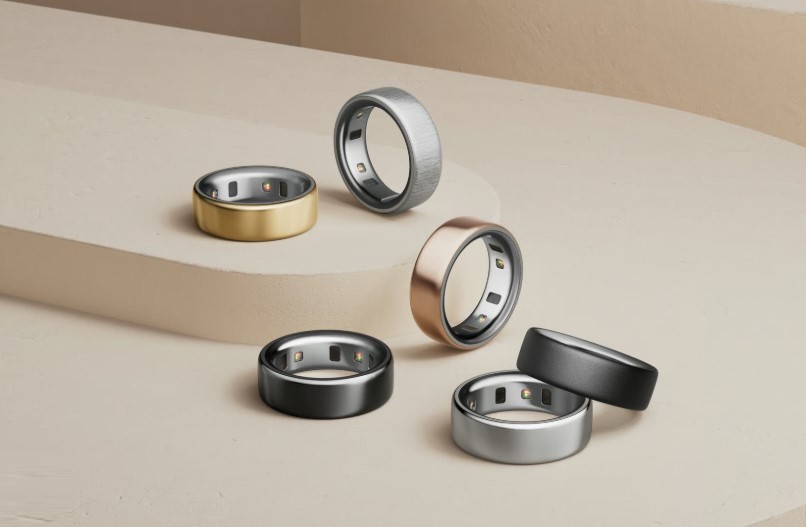
Smart rings have evolved far beyond their initial role as fitness trackers. In 2026, these sleek wearable devices are redefining personal health monitoring by moving past simple metrics like heart rate and sleep cycles. They are now capable of predicting illness before symptoms even appear, offering a glimpse into the future of preventive healthcare.
The Evolution of Smart Rings
Early smart rings focused on convenience—tracking steps, monitoring heart rate, and syncing notifications. Over time, advances in sensor technology, miniaturization, and artificial intelligence have transformed them into powerful health companions. Today, smart rings integrate biosensors that measure not only cardiovascular activity but also subtle physiological changes such as skin temperature, blood oxygen levels, and electrodermal activity.
Predictive Health Monitoring
The real breakthrough lies in predictive analytics. By continuously collecting data, smart rings can identify patterns that signal the onset of illness. For example:
- Respiratory Illness Detection: Variations in blood oxygen saturation and breathing patterns can indicate early signs of respiratory infections.
- Fever Prediction: Subtle increases in skin temperature, combined with changes in heart rate variability, can forecast the onset of fever before it becomes noticeable.
- Stress and Immune Response: Electrodermal activity and heart rate variability can reveal stress levels that weaken immunity, helping users take preventive measures.
AI-Powered Insights
Artificial intelligence algorithms are the backbone of these predictive capabilities. Machine learning models analyze vast amounts of biometric data, comparing individual baselines with population-level trends. This allows smart rings to provide personalized alerts, such as warning a user of potential flu onset or flagging irregularities that may require medical attention.
Integration with Healthcare Systems
In 2026, smart rings are increasingly integrated with telemedicine platforms and electronic health records. This connectivity enables:
- Real-Time Alerts for Physicians: Doctors can receive updates on patient health trends, allowing for proactive interventions.
- Remote Monitoring: Patients with chronic conditions benefit from continuous oversight without frequent hospital visits.
- Preventive Care Programs: Insurance providers and healthcare systems are leveraging smart ring data to encourage healthier lifestyles and reduce costs.
Privacy and Ethical Considerations
With great power comes responsibility. The predictive nature of smart rings raises questions about data privacy and ethical use. Users must trust that their sensitive health information is secure and not exploited for commercial gain. Transparent policies and robust encryption are essential to maintaining this trust.
Real-World Applications
Smart rings are already demonstrating their value in diverse scenarios:
- Workplace Wellness: Employers use aggregated data to design wellness programs that reduce absenteeism.
- Athletic Training: Athletes monitor recovery and detect early signs of overtraining or illness.
- Public Health: During flu season, aggregated data can help predict outbreaks and guide preventive measures.
The Future of Preventive Healthcare
The ability to predict illness before symptoms manifest represents a paradigm shift in healthcare. Instead of reacting to disease, individuals and healthcare providers can act proactively. Smart rings are not replacing doctors but empowering them with continuous, real-time insights that enhance decision-making.
Conclusion
In 2026, smart rings are no longer just accessories—they are vital tools in the fight against illness. By moving beyond heart rate monitoring to predictive analytics, they are reshaping preventive healthcare and offering individuals unprecedented control over their well-being. As technology continues to advance, the promise of early illness detection through smart rings could transform global health outcomes, making proactive care the new standard.



Leave a Reply