

In 2026, a fascinating cultural and lifestyle transformation is unfolding across households worldwide. After decades of digital dominance, people are rediscovering the value of analogue living. This shift is not about rejecting technology entirely but about rebalancing our relationship with it. Homes are becoming sanctuaries where tangible experiences, physical objects, and sensory connections reclaim their importance. The analogue revival is reshaping how we design, decorate, and inhabit our spaces.
The Digital Saturation Point
For years, digital devices promised convenience, efficiency, and endless entertainment. Yet by 2026, many households have reached a saturation point. Constant notifications, virtual meetings, and algorithm-driven content have created fatigue. Families are realizing that while digital tools are indispensable, they can also erode attention spans, diminish face-to-face interactions, and foster dependency. The analogue shift is a conscious response to this overload, offering balance and grounding.
Tangible Living as a Counterbalance
Tangible living emphasizes physical engagement with our environment. It is about touching, feeling, and experiencing life beyond screens. Vinyl records, printed books, handwritten letters, and film photography are resurging as people crave authenticity. These items carry weight, texture, and permanence that digital formats often lack. In homes, this translates into spaces designed for tactile experiences—reading nooks, craft corners, and music rooms where analogue tools thrive.
The Rise of Slow Design
Design trends in 2026 reflect this analogue renaissance. Slow design, inspired by sustainability and mindfulness, prioritizes quality over quantity. Furniture is handcrafted, materials are natural, and aesthetics are timeless rather than trendy. Homeowners are investing in pieces that tell stories—wooden tables with visible grains, ceramic bowls shaped by artisans, and textiles woven with care. These objects embody durability and emotional resonance, making homes feel more grounded and personal.
Reclaiming Domestic Rituals
The analogue shift is also reviving domestic rituals. Cooking from scratch, brewing coffee manually, and tending indoor gardens are becoming cherished practices. These activities slow down time, encourage mindfulness, and foster family bonding. Instead of relying on smart appliances for every task, households are embracing the joy of manual processes. The kitchen, once dominated by digital gadgets, is now a hub of sensory experiences where smell, taste, and touch converge.
The Psychology of Tangibility
Psychologists highlight that tangible living nurtures mental well-being. Physical objects provide sensory feedback that digital interactions cannot replicate. Writing in a journal, for example, engages memory and creativity differently than typing on a screen. Playing a vinyl record requires intentionality—choosing an album, placing the needle, and listening without skipping tracks. These rituals cultivate patience, focus, and appreciation, counteracting the instant gratification culture fostered by digital media.
Analogue Aesthetics in Home Decor
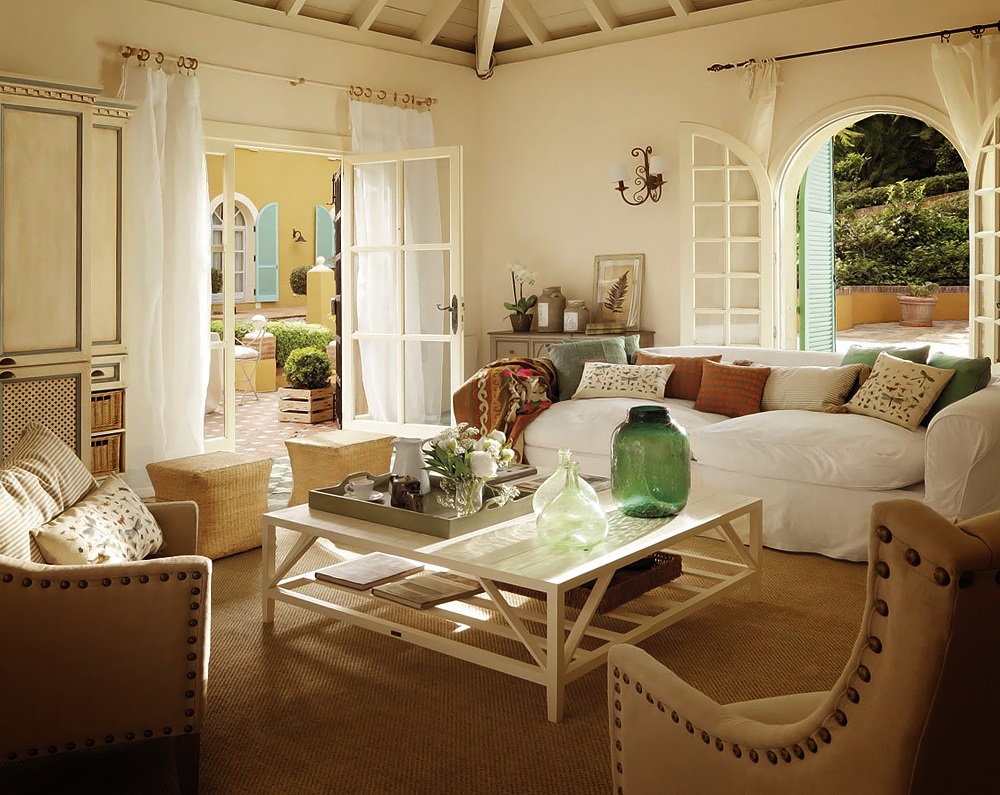
Interior design in 2026 embraces analogue aesthetics. Homes feature earthy tones, natural textures, and vintage-inspired elements. Shelves are lined with books, walls adorned with film photographs, and living rooms centered around turntables. Lighting is warm and ambient, encouraging relaxation rather than overstimulation. The analogue aesthetic is not nostalgic escapism but a deliberate choice to create environments that feel authentic, human, and enduring.
The Role of Community and Connection
Analogue living extends beyond individual households to communities. Neighborhood book clubs, vinyl listening parties, and craft workshops are flourishing. These gatherings emphasize shared experiences and collective creativity. Unlike digital interactions, which can feel fragmented, analogue communities foster deeper bonds. Homes are becoming venues for these connections, with living rooms doubling as spaces for storytelling, music, and art.
Sustainability and Ethical Consumption
The analogue shift aligns with sustainability. Tangible goods often last longer and encourage mindful consumption. A handcrafted wooden chair may endure for decades, unlike mass-produced furniture designed for quick replacement. By choosing analogue products, households reduce waste and support local artisans. This ethical dimension adds depth to the movement, making it not only a lifestyle choice but also an environmental statement.
Technology as a Complement, Not a Replacement
Importantly, the analogue revival does not mean abandoning technology. Digital tools remain essential for work, communication, and global connectivity. The shift is about redefining boundaries—designating spaces and times for analogue living while using technology intentionally. Smart devices coexist with analogue practices, but they no longer dominate. Homes are becoming hybrid environments where digital efficiency meets tangible authenticity.
Case Studies of Analogue Homes
Across the globe, examples of analogue homes illustrate the trend. In Tokyo, minimalist apartments feature tatami mats, handwritten calligraphy, and vinyl collections. In Copenhagen, families design kitchens around manual brewing stations and communal dining tables. In New York, lofts showcase walls of books and film cameras alongside modern tech. These homes embody the balance between digital and analogue, proving that tangible living can thrive in diverse contexts.
The Future of Tangible Living
Looking ahead, the analogue shift is likely to deepen. As more households embrace tangible living, industries will adapt. Publishers are printing more physical books, record labels are pressing vinyl, and artisans are gaining prominence. Educational systems may incorporate handwriting and manual crafts to nurture creativity. The analogue revival is not a fleeting trend but a cultural recalibration that values human senses, patience, and authenticity.
Conclusion
The 2026 shift to tangible living reflects a collective desire to reclaim balance in a digital age. Homes are evolving into spaces where analogue practices thrive, offering grounding, authenticity, and connection. This movement is reshaping design, rituals, and community life, proving that technology and tangibility can coexist harmoniously. By embracing analogue living, households are not rejecting progress but redefining it—choosing to live more intentionally, sustainably, and meaningfully. The analogue home is a sanctuary where life slows down, senses awaken, and human connections flourish.



Leave a Reply